Storm and Heavy Rain Water Damage in Arlington, VA
When a mid-Atlantic downpour pushes water into your home, the response team covers the Rosslyn-Ballston Corridor and all of Arlington, with rapid local response, 24/7.
(703) 215-2108Tap to call the 24/7 dispatch line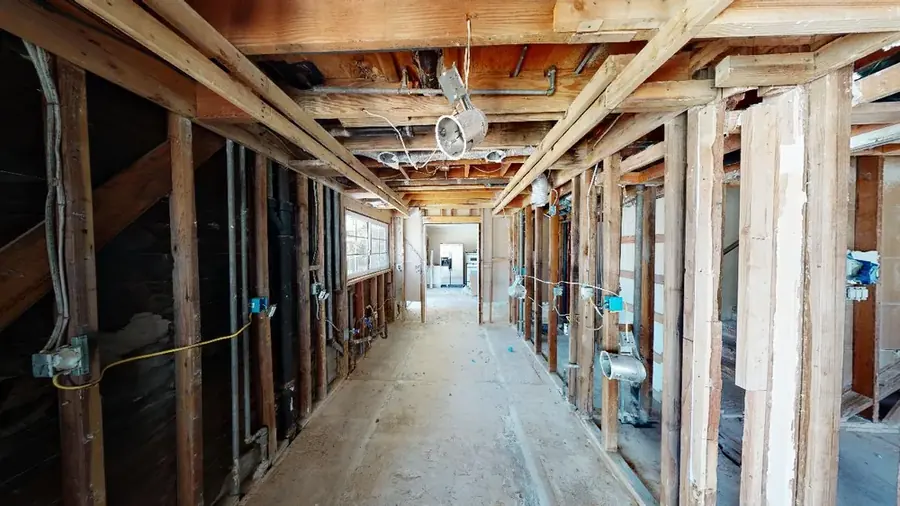
Arlington sits in the path of remnant tropical systems and the heavy mid-Atlantic downpours that roll through every year. The area carries roughly fifteen flood events on record, and each one finds the same weak points in a home.
Rain drives in through an aging roof, sheets against windows until it finds a gap, and runs down the grade until it pools against the foundation. The job is straightforward and urgent, clear the water, dry the structure all the way through, and document the loss so your claim holds up.
How storm is handled in Arlington
- 1
Call and dispatch
Whoever answers the Arlington line picks up 24/7, and the nearest crew heads out with pumps, air movers, and moisture meters.
- 2
Find the source and reach
The crew stops the water and maps its full reach, including what soaked into subfloors, wall cavities, and the units or floors nearby.
- 3
Extract and dry
The extraction crew pulls the standing water, then runs air movers and LGR dehumidifiers to a verified dry standard, not just the surface.
- 4
Verify and document
The drying team logs moisture readings until the structure is dry, then documents the loss with the photos and daily readings an adjuster needs to move a claim.
How storm water gets into Arlington homes
A single big storm can push water in from the top of the house and the bottom at the same time, so the crew checks every path before drying starts.
- Roof leaks where wind-driven rain finds worn shingles or flashing
- Windows and doors that leak when rain is blown sideways
- Grade and gutters that steer runoff toward the foundation
- Window wells and basement entries that fill during a downpour
- Overwhelmed storm drains that back water up toward the house
Knowing when a system is coming lets you get ahead of it. The National Weather Service Baltimore/Washington office at weather.gov/lwx tracks the storms that hit Arlington hardest.
What the storm response looks like
Storm water rarely stays where it lands, so crews work fast to stop it from spreading deeper into ceilings, walls, and floors.
- Extract standing water from floors, basements, and lower levels
- Pull soaked carpet pad, baseboard, and wet drywall edges
- Open ceilings and wall cavities where water tracked out of sight
- Set air movers and dehumidifiers sized for the affected rooms
- Meter the structure daily until the readings confirm it is dry
Protecting your claim
Storm damage almost always involves insurance, and a well-documented file is the difference between a smooth claim and a fight. The crew builds that record as the work happens.
- Photograph every affected room before and during the cleanup
- Log moisture readings so drying progress is on paper, not memory
- Record exactly what is removed and why it could not be dried
- Note the water source and path for your adjuster
- Keep clear documentation you can hand over at any point
If your loss involves rising water, the federal guidance at ready.gov/floods explains how flood conditions develop and why fast action matters.
Storm water in your home right now? The longer it sits, the more of your structure it soaks. Call and a crew from the Rosslyn-Ballston Corridor heads your way.
☎ Call (703) 215-2108IICRC S500 drying, documented for your claim
The extraction crew pulls the standing water first, usually with truck-mounted extraction so the water leaves the building instead of moving to the next room. Air movers then go in at each room's evaporation load, with LGR dehumidifiers pulling that moisture back out of the air. Most crews record readings daily and pull equipment only once the wet material sits within 2 to 4 points of a dry reference in the same building.
From Rosslyn-Ballston across Northern Virginia
Based in the Rosslyn-Ballston Corridor, the response team covers Arlington and Northern Virginia, day or night.
Based in the Rosslyn-Ballston Corridor, local crews cover Arlington and Northern Virginia around the clock, with rapid local response.
Coverage runs across Ballston, Clarendon, Courthouse, Rosslyn, North and South Arlington, Crystal City, Pentagon City, and McLean.
See every neighborhood and ZIP coveredArlington water damage questions, answered
How quickly can you respond after a storm?
The nearest crew heads out the moment the call comes in, 24/7. Storms often hit the whole area at once, so calling early gets you in line before crews are stretched thin across Arlington.
Water came in through my roof, can you help?
Yes. The crew extracts the water, opens the ceiling and wall cavities where it tracked, and dries the structure, and can also tarp or advise on stopping the active leak while repairs are arranged.
Will my insurance cover storm water damage?
Coverage depends on your policy and how the water entered. The source, the path, and the loss are documented in detail so your adjuster has a clear, well-supported file to work from.
How is this different from basement flooding?
Basement flooding focuses on below-grade water and its sources. This page covers storm and heavy rain, where water often enters from the roof, windows, and grade above and around the home during severe weather.
Do I need to move out during drying?
Usually not. Most drying happens with equipment running in the affected rooms over a few days. The crew will tell you if any area is unsafe to occupy while the work is underway.
What should I do while I wait for the crew?
Stay clear of any water near outlets or the electrical panel, move what you can to a dry area, and avoid using ceiling fixtures in rooms where the ceiling is wet. The crew handles the rest on arrival.
Water in your home or building right now? Do not wait for the FAQ.
Call (703) 215-2108A local Arlington crew is standing by
Water sitting means damage spreading. Call McLean Water Damage Co and a local crew heads out across Arlington and Northern Virginia, day or night.
(703) 215-2108Call now, a local crew picks up day or night